Do not hesitage to give us a call. We are an expert team and we are happy to talk to you.
1.8445.3356.33
Help@goodlayers.com
Pikey Peak Trek is a scenic 12-day journey through the quieter southern approaches to Nepal’s Everest region, combining mountain panoramas, Sherpa villages, forest trails, historic monasteries, and the sacred waters of Dudh Kunda. Starting with the drive from Kathmandu to Dhap Bazaar, the route climbs gradually through Jhapre and Pikey Peak Base Camp before reaching the summit at 4,065 m for sunrise views toward Everest and Kanchenjunga. From the high ridges, the trail descends through Taktor and Junbesi, with time to explore the historic Sherpa village and Thupten Chholing Monastery. The journey continues via Ringmo and Saharsbeni to Dudh Kunda, a revered alpine lake, before returning through the lower Solu valleys to Phaplu and Kathmandu. This moderate-to-challenging trek is ideal for travelers seeking Himalayan views and cultural depth away from the busier classic Everest route.
Daily departures from March to May and September to December
9 Days
Moderate to Challenging
4065m
Read our helpful check list before booking
Tea House
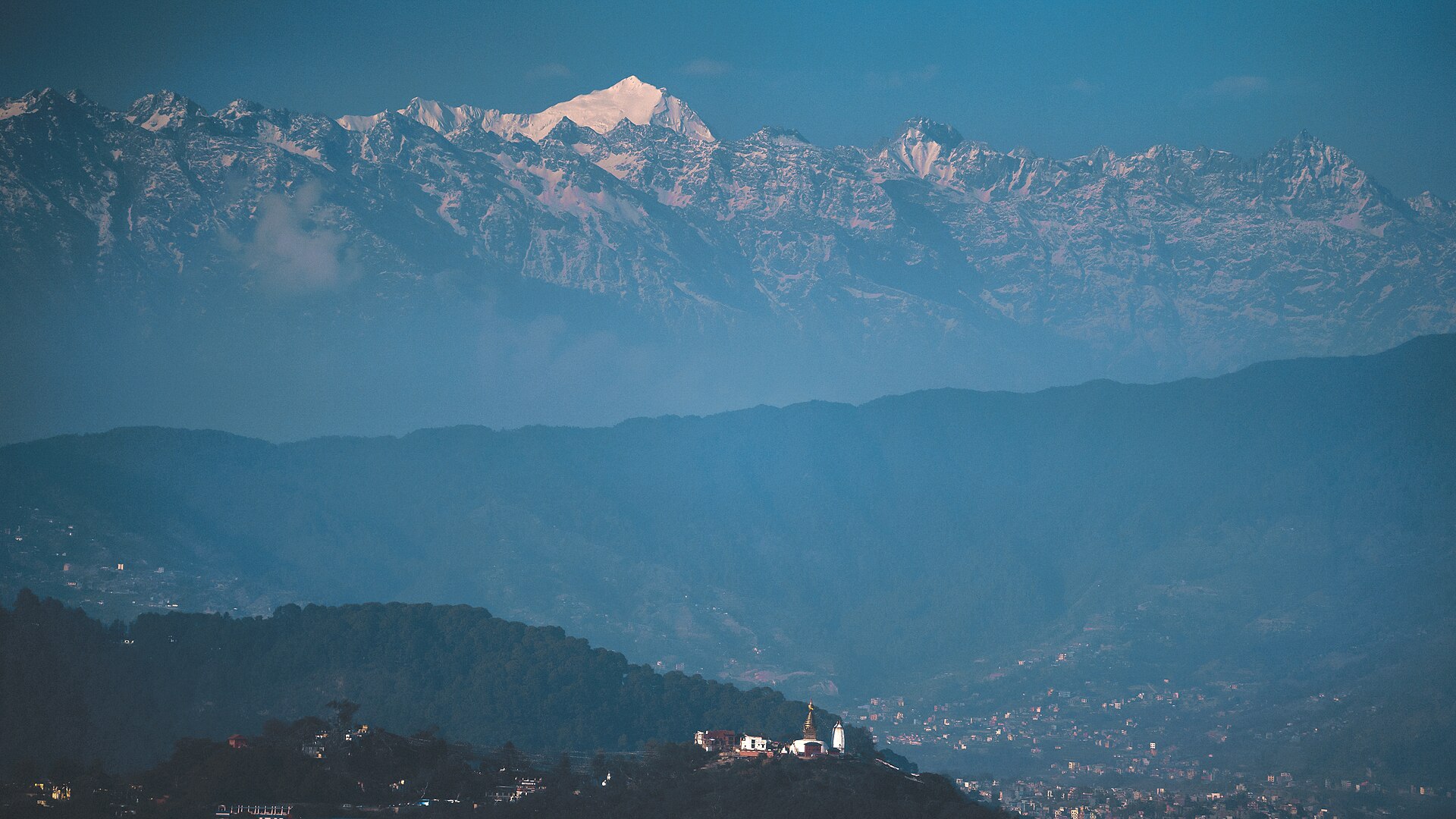
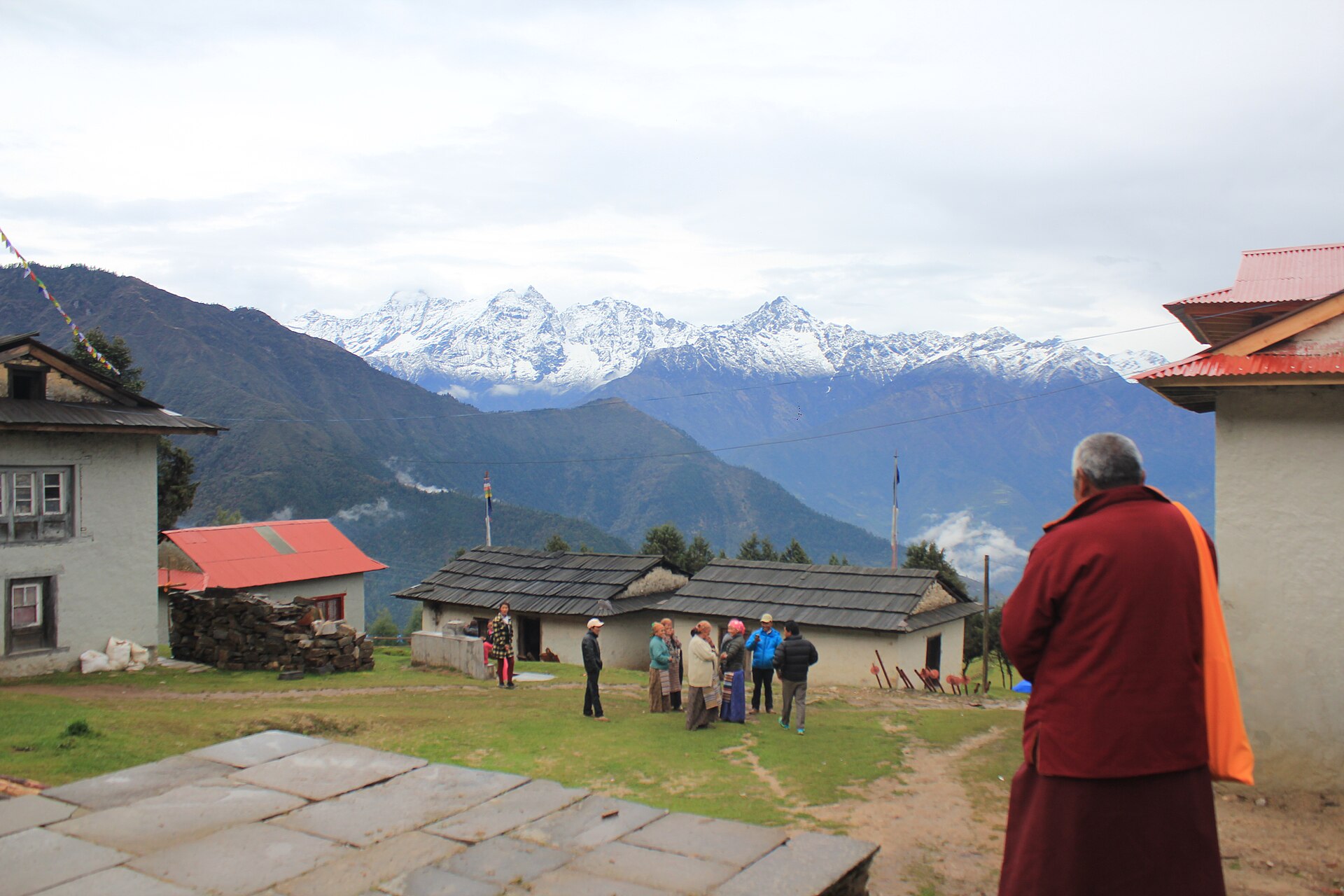
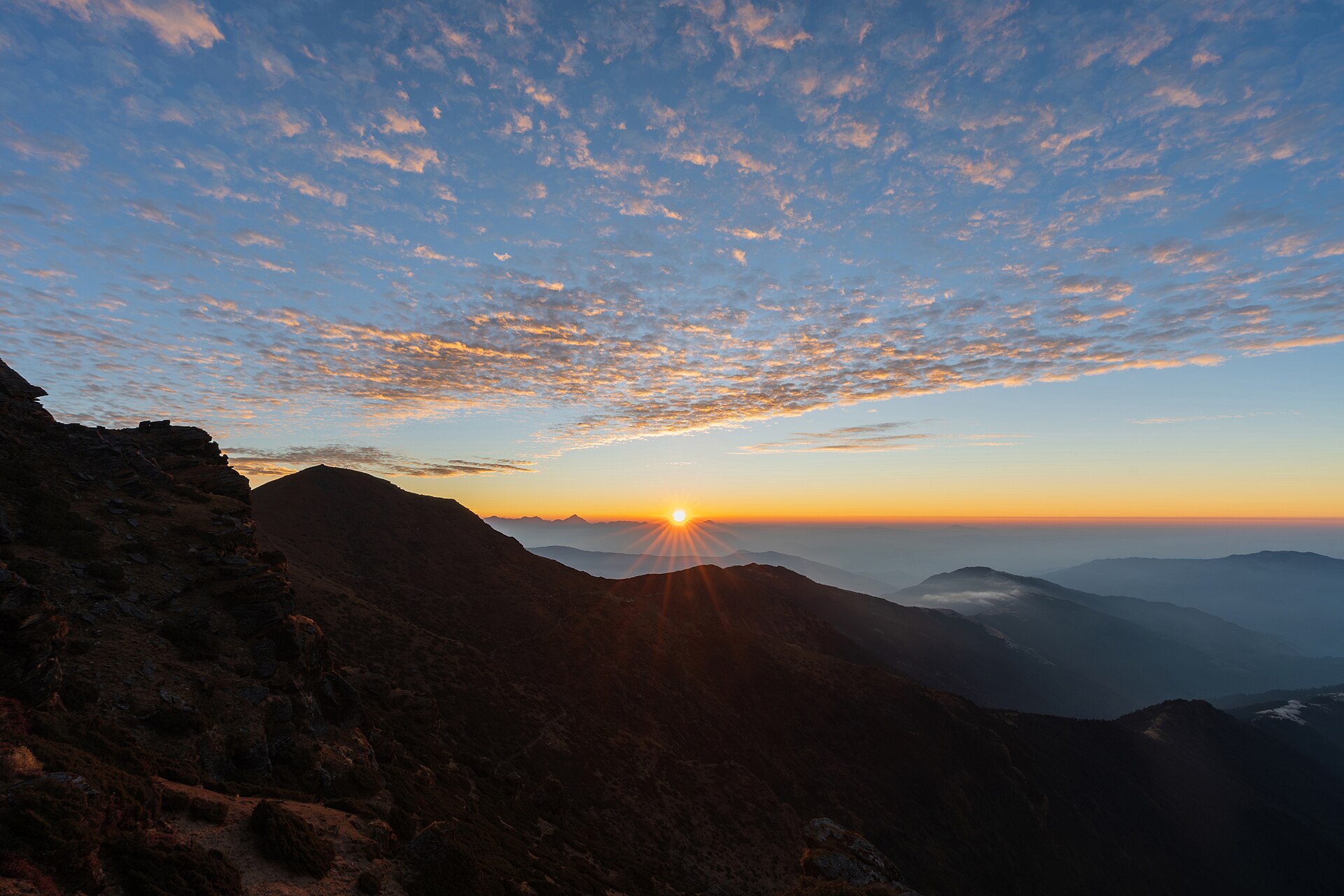
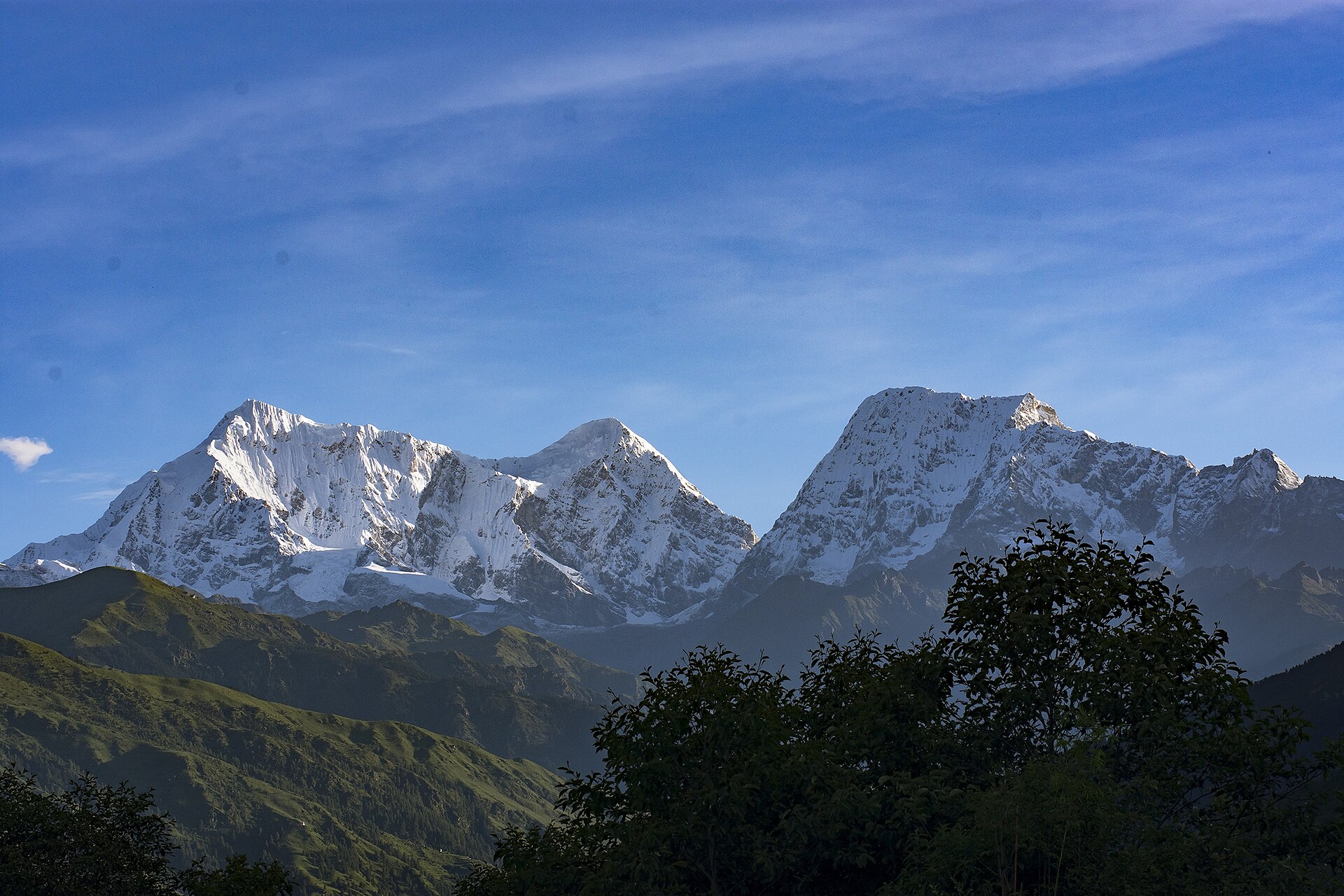
Pikey Peak sunrise panorama. Sherpa culture in Jhapre and Junbesi. Thupten Chholing Monastery. Sacred Dudhkunda Lake. Quiet lower Everest trails and views toward Everest, Makalu, and Kanchenjunga

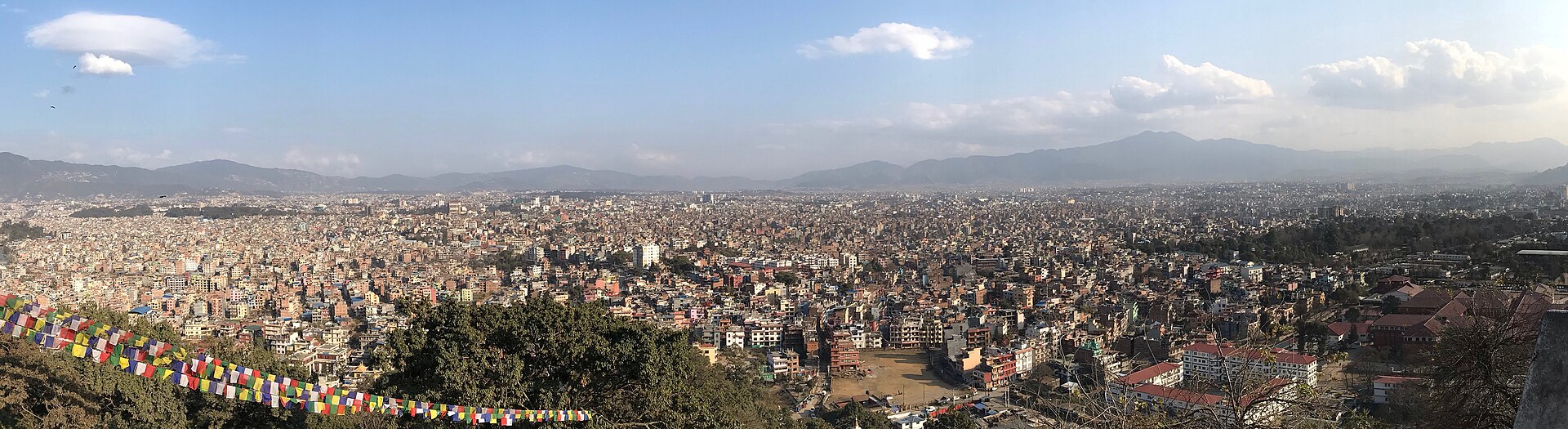
Arrive in Kathmandu at approximately 1,300 metres, where your representative will meet you and arrange the transfer to your hotel. After check-in, the remainder of the day is available to rest, recover from the journey, and meet the trekking team. If time permits, your guide can review the route, weather outlook, equipment, and the road journey to Dhap.

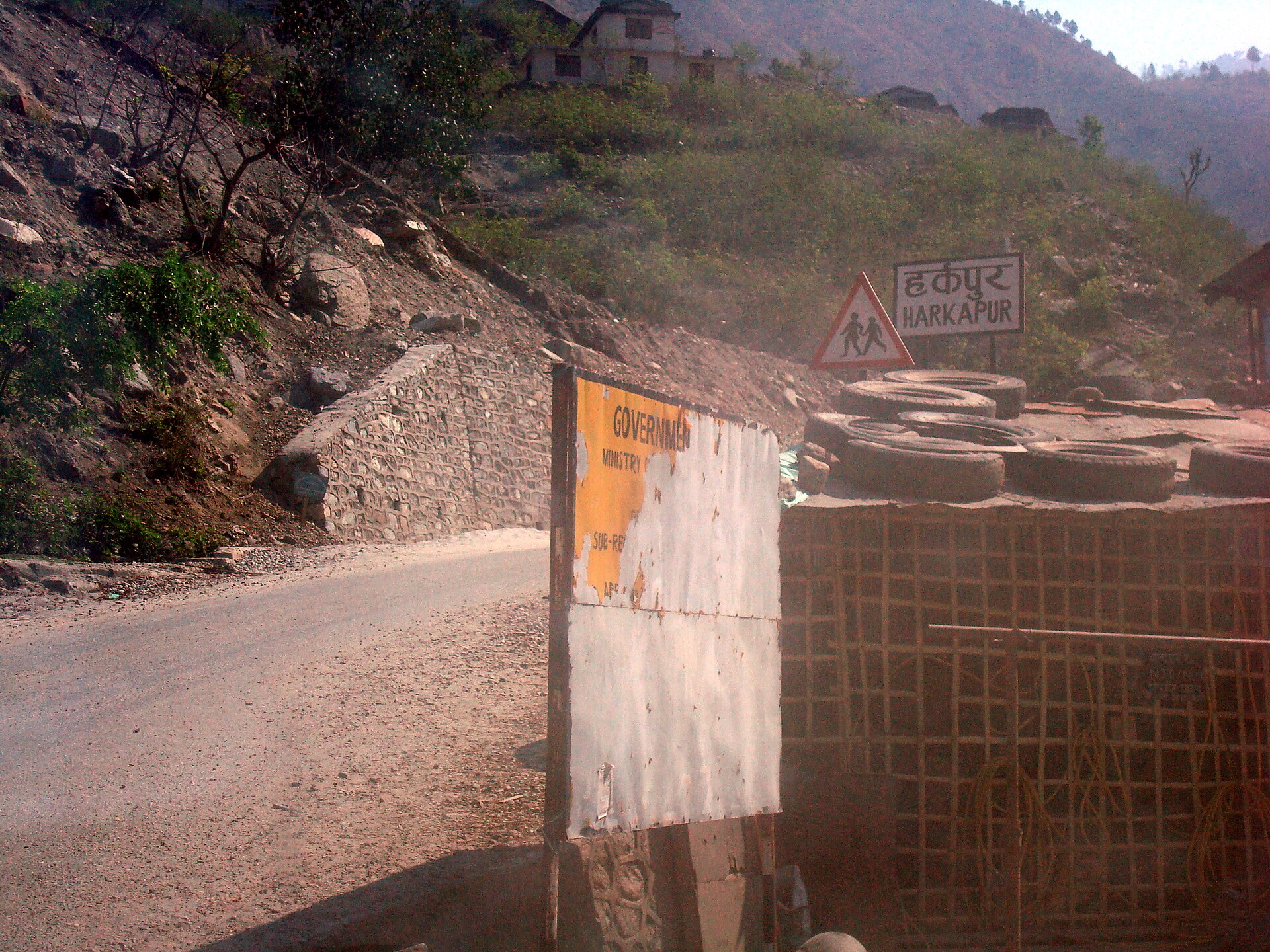
Travel east from Kathmandu toward Dhap Bazaar, passing through the hill districts and the settlements around Okhaldhunga. The long drive—approximately eight to nine hours—gradually leaves the Kathmandu Valley behind and enters the quieter landscapes of Solukhumbu. The road follows a changing mix of river valleys, terraced hillsides, forested slopes, and mountain villages. Dhap, at roughly 2,850 metres, is the trailhead for the gradual approach to Pikey Peak.

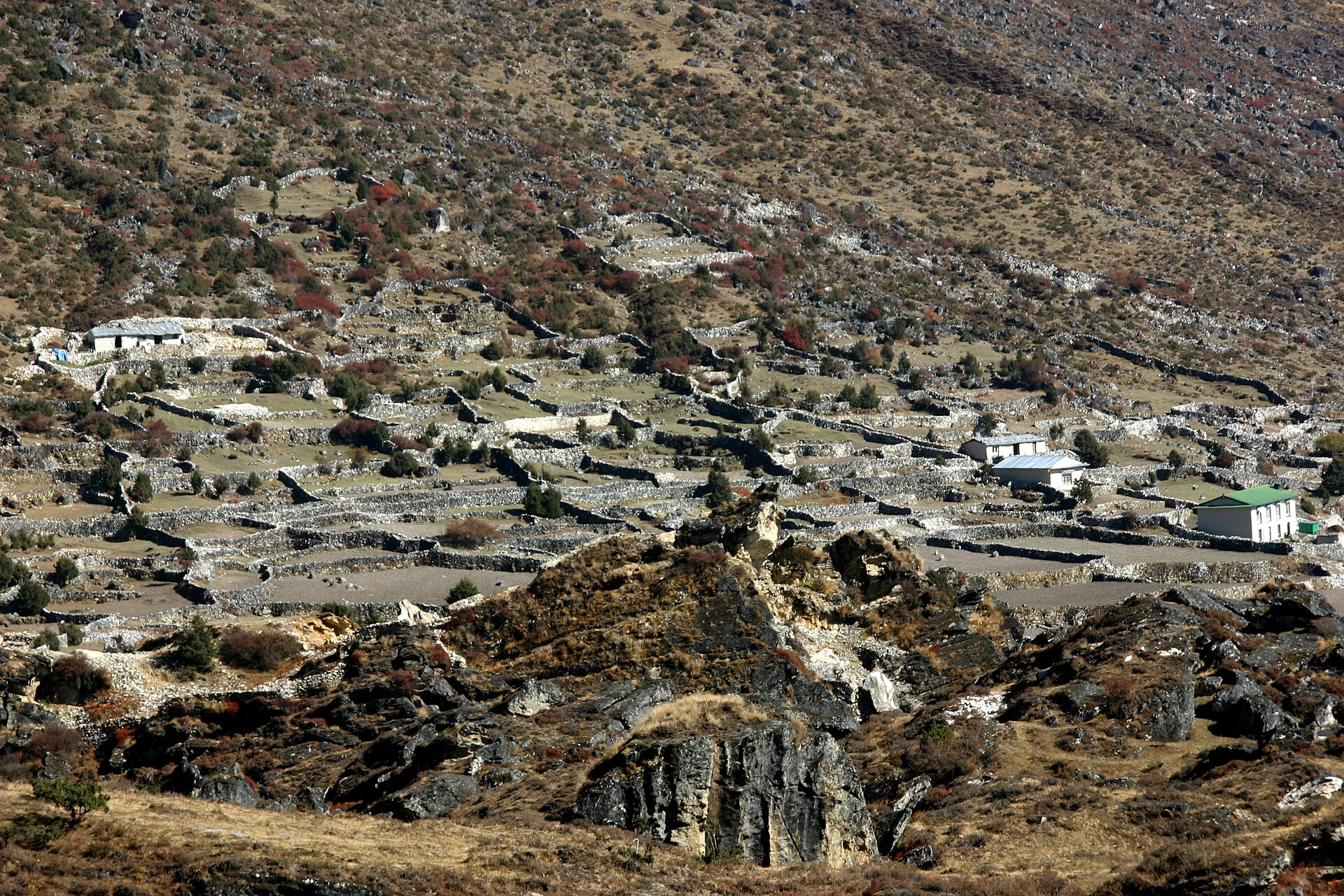
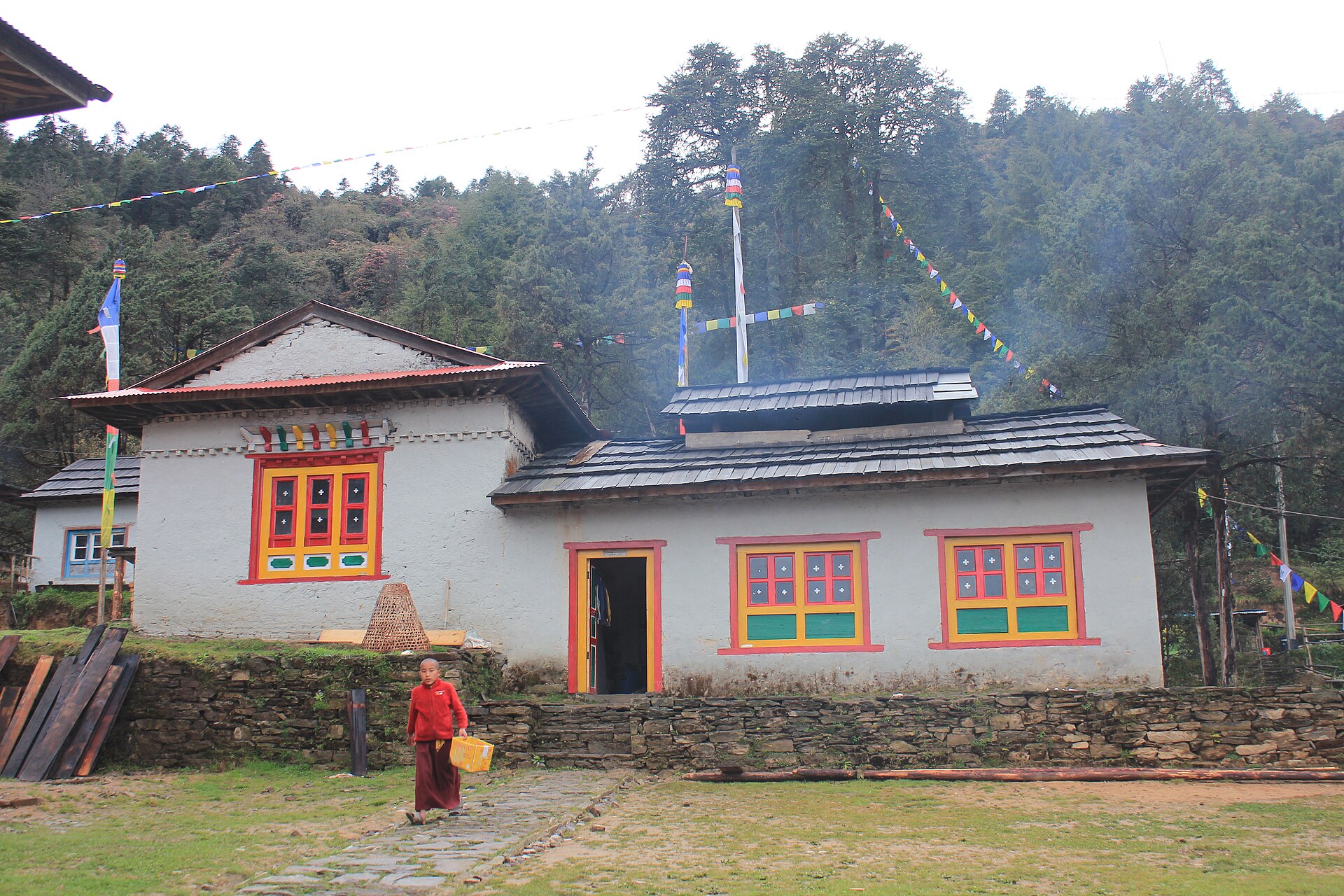
The trek begins along open ridges and pastoral hillsides, with views expanding as the route moves deeper into the lower Everest region. After approximately four to five hours, reach Jhapre Village at around 2,920 metres. Jhapre is a traditional settlement with stone-and-plaster houses, Buddhist prayer features, and a peaceful rural atmosphere. The afternoon is a good opportunity to walk through the village and begin adapting to the altitude.

Today’s trail climbs through broad mountain pastures and sections of rhododendron and pine forest toward Pikey Peak Base Camp, approximately 3,640 metres. The route is scenic and increasingly open, with changing views across the Solu hills and distant Himalayan ridges. The four- to five-hour walk allows time to settle into camp or a local lodge, prepare warm clothing for the early summit start, and enjoy the quiet high-altitude landscape.

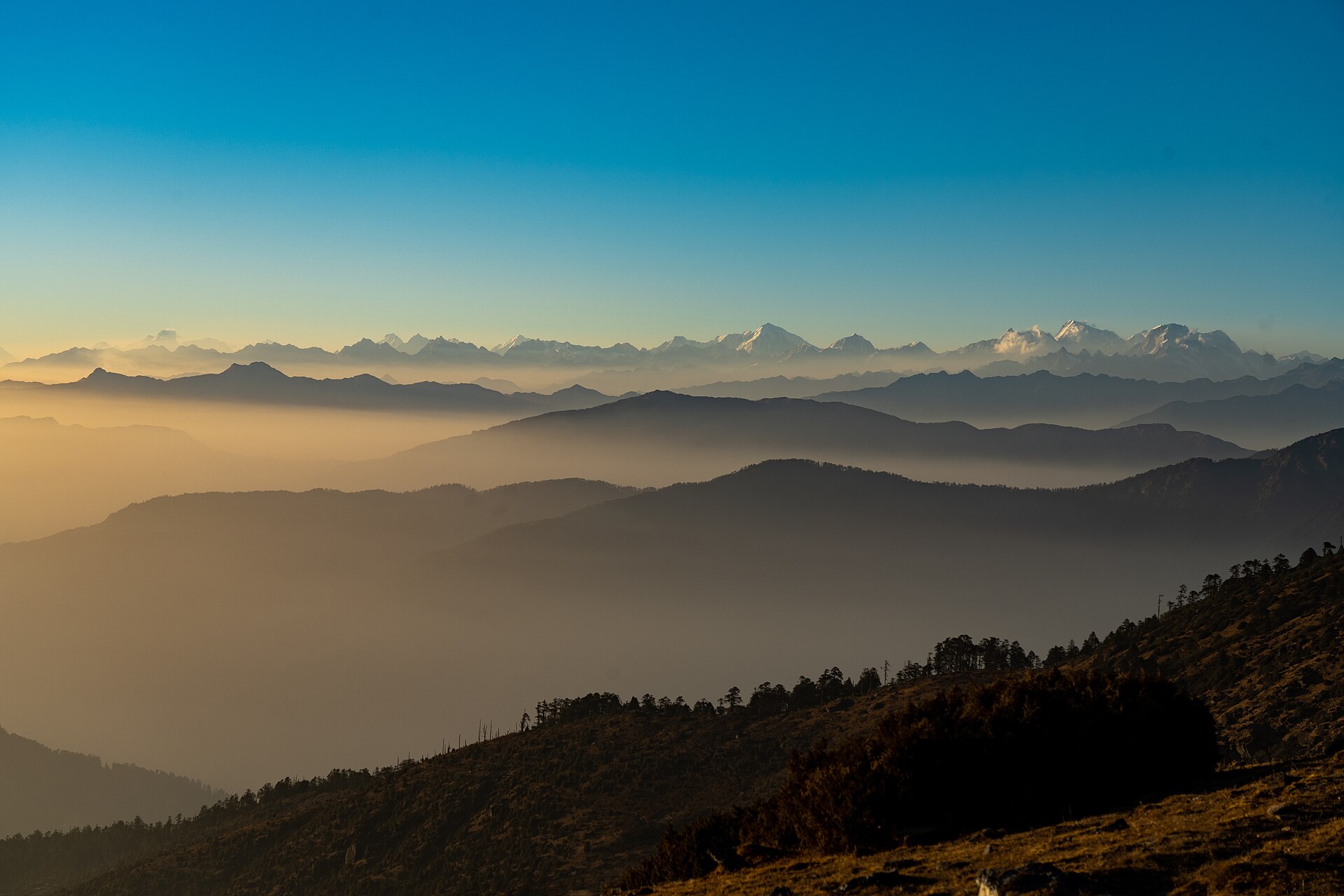
Rise before dawn for the hike to Pikey Peak at approximately 4,065 metres. At sunrise, the ridge can reveal a sweeping panorama of Everest and other Himalayan peaks, including Makalu and Kanchenjunga on clear days. After taking time at the viewpoint, descend through open slopes and mountain settlements toward Taktor at around 2,800 metres. The total walking day is approximately five to six hours, with a substantial descent after the morning summit.

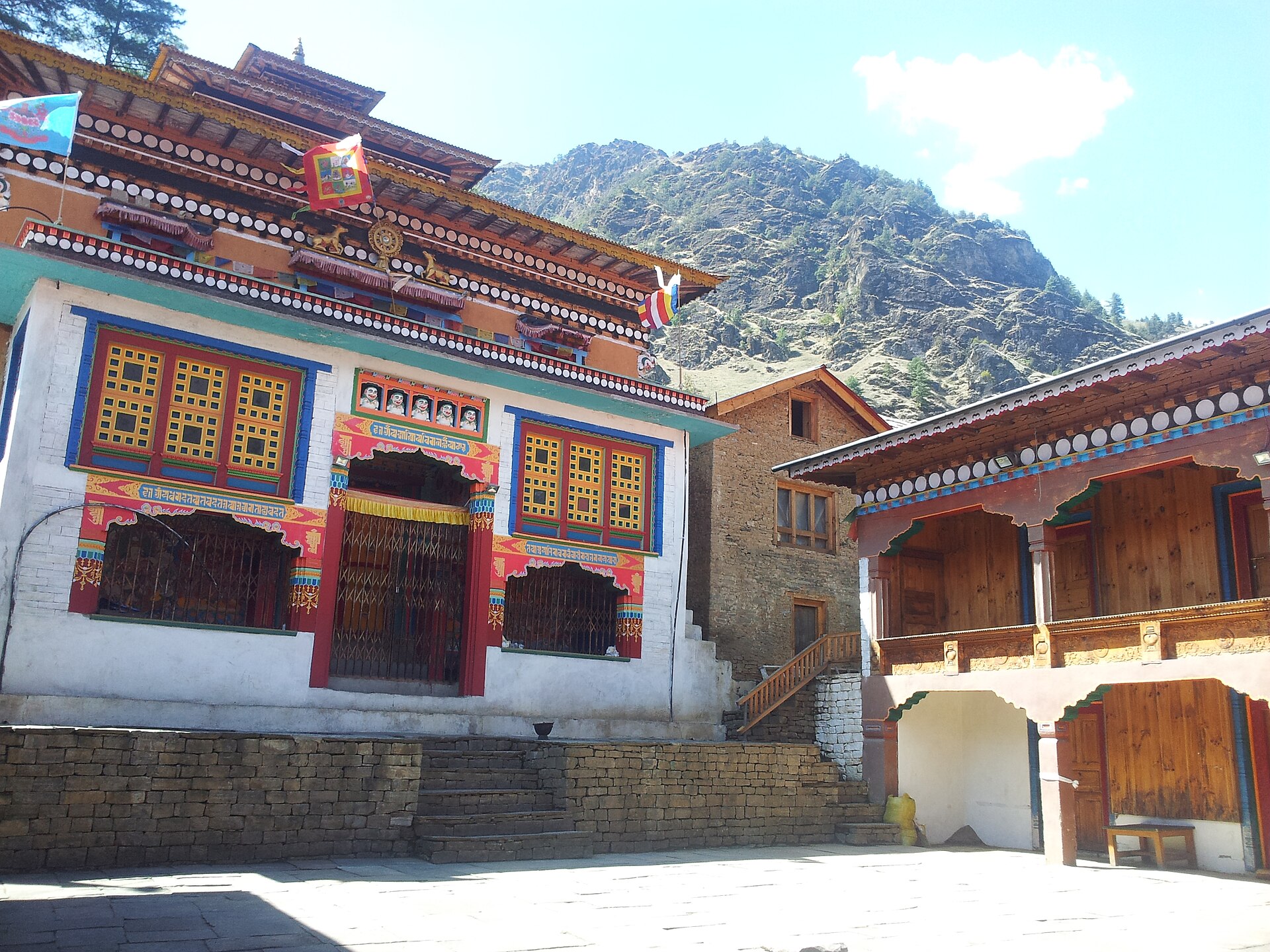
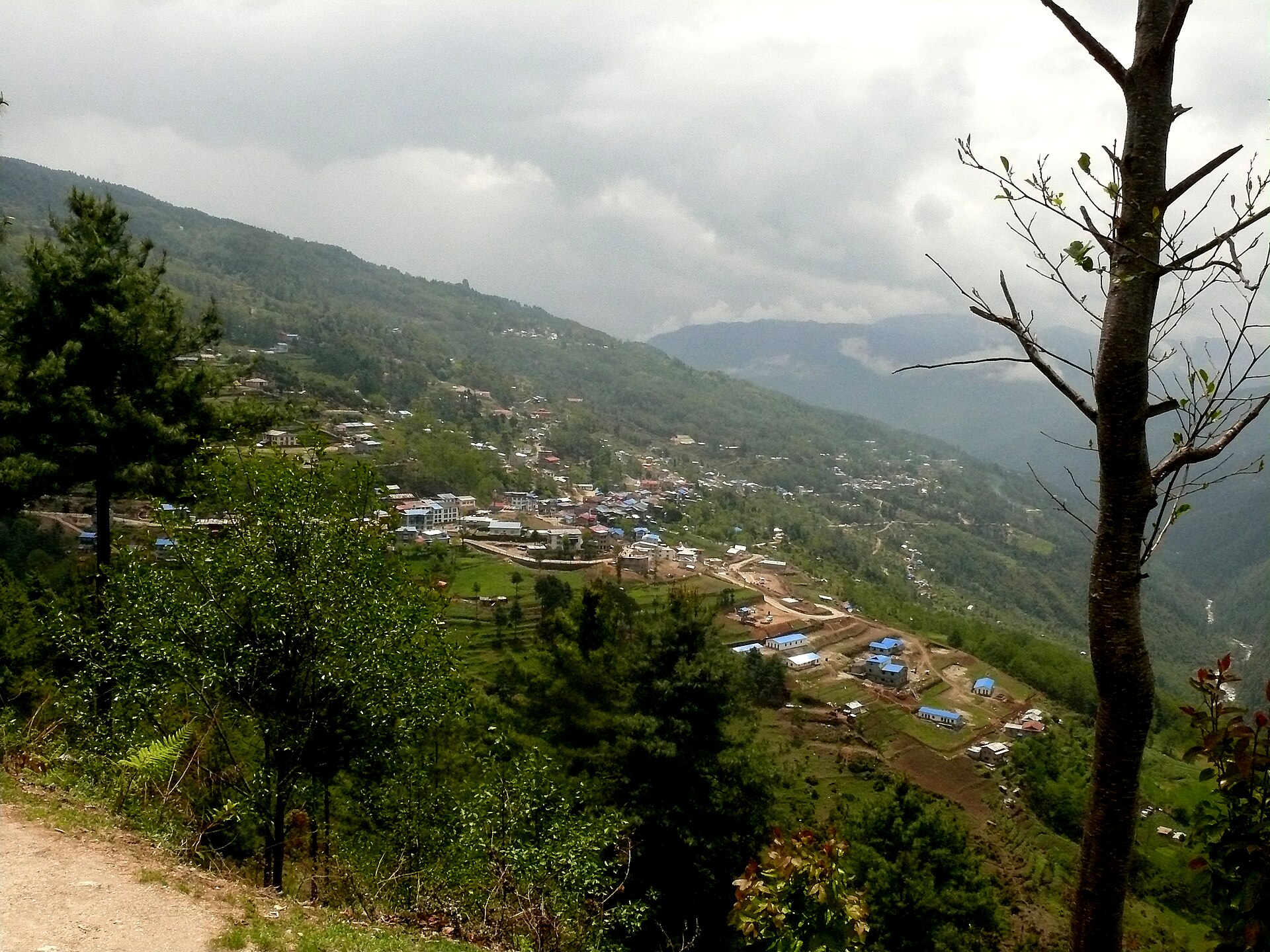
Continue toward Junbesi, a historic Sherpa village at approximately 2,700 metres. Junbesi is one of the cultural centers of the Solu region, with traditional homes, cultivated terraces, prayer walls, and a strong Tibetan Buddhist heritage. A day walk or excursion takes you to Thupten Chholing Monastery, a significant spiritual community near Junbesi. Allow time to move respectfully through the monastery grounds and to appreciate the forested hills and quiet valley setting.

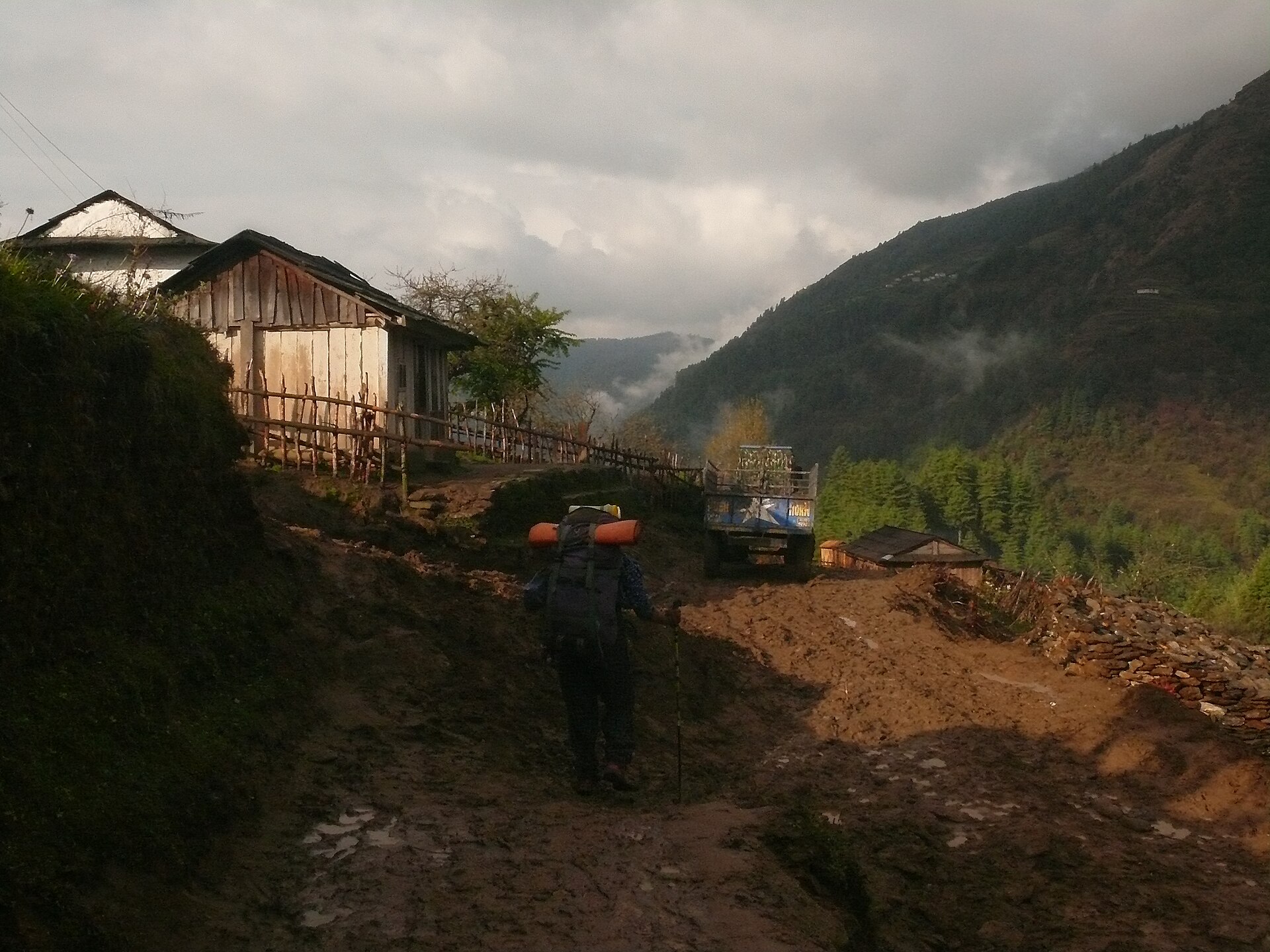
Leave Junbesi and follow the trail toward Ringmo, walking through forest, pasture, and highland farmland. The route gradually reconnects with the remote trails leading toward the Dudh Kunda area and the Tragsindho La surroundings. The five- to six-hour day combines gentle ascents and descents with views of the surrounding Solu ridges. Ringmo provides a peaceful overnight stop before the route climbs toward the lake region.

Today’s seven- to eight-hour walk leads into a more remote, open section of the trek. From Ringmo, the trail climbs toward Saharsbeni at approximately 3,850 metres, passing through alpine pastures and rugged mountain terrain. Permanent settlements become less frequent, and the landscape is shaped by yak-grazing grounds, rocky slopes, and wide Himalayan skies. A steady pace, warm layers, hydration, and careful attention to altitude are important on this longer day.

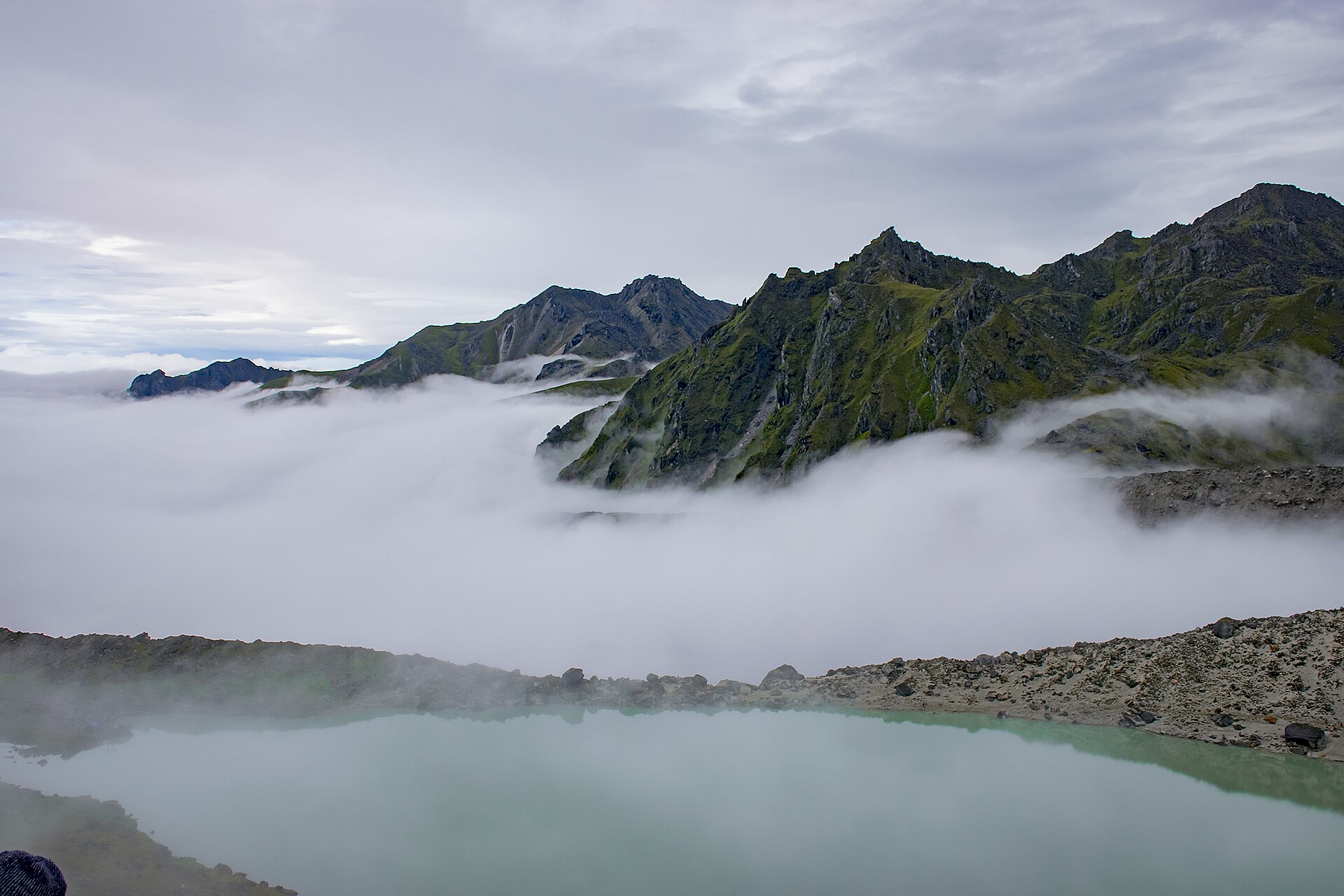
Spend the day exploring Dudhkunda Lake and its surrounding highland landscape. Dudhkunda is a sacred lake at the base of Mount Numbur and is visited by Hindu and Buddhist pilgrims, particularly during the Janai Purnima period in August. The area is remote and exposed, with shrines, mountain slopes, and a strong sense of pilgrimage and wilderness. After the visit, descend toward Saharsbeni or continue toward Kamu Dada, depending on trail conditions, weather, and the group’s pace. The day may take up to approximately seven hours.

Descend from Kamu Dada toward the lower valleys, following a changing trail of open slopes, forest, and mountain settlements. The route may finish at Takshindu or Ringmo depending on local conditions and the final overnight plan. This five- to six-hour day brings the trek gradually back toward more settled areas while retaining the scenic character of the Solu landscape.

Complete the final trekking section toward Phaplu, the main service center and transport hub for the lower Solu region. The trail descends through hillsides and villages before reaching the town and its airstrip area. This is a valuable final day on the trail: take time to thank the local staff, enjoy a comfortable meal, and reflect on the journey from Dhap, across Pikey Peak, through Junbesi, and into the Dudh Kunda highlands.

Return to Kathmandu from Phaplu by the planned road or air connection, subject to weather and operating conditions. On arrival, transfer to your hotel or continue to the airport for your onward journey. If your schedule allows, keep extra time available because mountain transport can be affected by weather and road conditions.
There are no group treks currently schedule however we would be happy to do a private trek.
Please send us a booking request form HERE for a quote.
The trek program is – because of weather or unforeseen events – subject to change.